
-
-
Call Us :
(703) 313-0044 -
Mon - Fri 9:00 - 6:00
Sat - Sun Closed
Call Us :
(703) 313-0044Mon - Fri 9:00 - 6:00
Sat - Sun Closed

Tennis elbow, or lateral epicondylitis, is a common overuse injury that causes pain on the outer part of the elbow. It occurs when the tendons that attach the forearm muscles to the elbow, especially the extensor carpi radialis brevis, develop small tears from repetitive motions, like gripping or wrist extension. These repetitive activities can include sports, such as tennis and racquetball, as well as everyday tasks like typing or using hand tools. Over time, these tears lead to tendon degeneration, known as tendinosis, rather than inflammation. Understanding the anatomy involved in this condition is crucial; the extensor tendons are responsible for wrist extension and hand movements, making them particularly susceptible to strain during activities that involve wrist flexion and extending the fingers.
People with tennis elbow often experience pain when lifting, twisting, or gripping objects, along with reduced strength. Symptoms may exacerbate when performing tasks that require repetitive wrist motion, such as painting, playing musical instruments, or even carrying grocery bags. In more serious cases, individuals may find it difficult to shake hands or hold a cup. Most cases are treated without surgery, utilizing conservative management strategies. If symptoms persist, physical therapy becomes key. It focuses on stretching, eccentric strengthening exercises, manual therapy, dry needling, Graston technique, and improving movement patterns. The initial goal of therapy is to reduce pain and inflammation, followed by restoring strength and functionality through a tailored exercise program.
Physical therapy plays a vital role in managing and rehabilitating tennis elbow. Our physical therapist will assess the patient’s elbow mechanics, wrist strength, and any contributing factors like poor posture or shoulder instability. This comprehensive evaluation may include observing the alignment of the wrist and forearm during activities and identifying any movement compensations that could exacerbate symptoms. The therapy typically begins with gentle stretching exercises for the forearm extensors and gradually incorporates strengthening exercises, especially eccentric strengthening. Eccentric exercises, where the muscle lengthens under tension, have shown particular effectiveness in treating tendinopathies by promoting healing and reducing pain. Therapists may also use modalities like ultrasound or laser therapy, dry needling, and Graston techniques to support recovery. Educating the patient on proper technique, ergonomics, and load management is essential to ensure long-term success. Patients are encouraged to implement modifications in their daily activities to avoid aggravating the condition, such as using ergonomic tools and taking regular breaks during repetitive tasks.
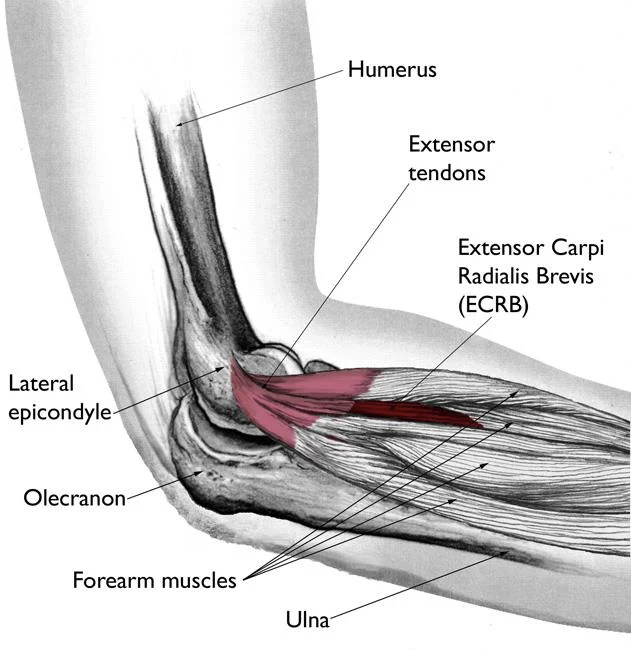
We are proud to have trained physical therapists here at Sunshine Physical Therapy with extensive experience in treating tennis elbow. Our team is dedicated to providing personalized care plans tailored to each patient’s needs, ensuring that we address not only the symptoms but also the underlying causes of the condition. With proper care, most people recover within a few months. We also offer educational resources and workshops that emphasize injury prevention and management strategies for those at risk of developing tennis elbow. We are certain we can provide the greatest care to ensure a timely recovery and restore optimal function, allowing our patients to return to their favorite activities without pain.